


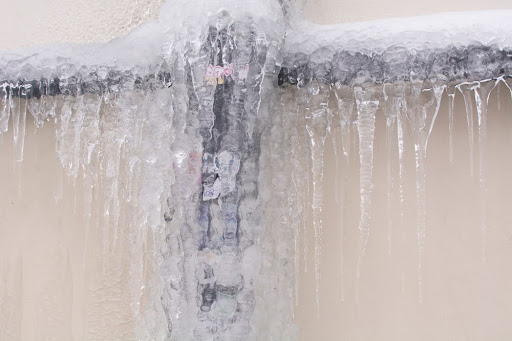
When temperatures fluctuate wildly — freezing one night and mild the next — your home’s plumbing can take a serious hit. These rapid weather swings, common throughout our area, trigger what’s known as the freeze-and-thaw cycle. Understanding how this cycle impacts your pipes and what you can do to prevent water damage can save you from costly repairs.
What Is the Freeze-and-Thaw Cycle?
The freeze-and-thaw cycle happens when daytime temperatures rise above freezing, only to drop below 32°F again at night. While those brief warm spells might feel like a welcome break from the cold, they can actually cause repeated expansion and contraction in the materials around your home — including your concrete, foundation, and plumbing system.
Why It’s a Problem for Your Plumbing
Most homeowners know that extreme cold can freeze pipes, but the real danger comes after the thaw. When water freezes inside a pipe, it expands and builds up pressure. That pressure can crack or burst the pipe, and once it thaws, all that trapped water is released — flooding your home and damaging walls, floors, and belongings.
Even a small split can leak hundreds of gallons of water a day, which is why it’s crucial to catch the problem early or take preventive action before temperatures fluctuate.
What To Do if a Pipe Freezes
If you suspect a frozen pipe but it hasn’t burst yet, act fast:
-
Turn on the connected faucet to relieve built-up pressure.
-
Gently warm the frozen section by starting closest to the faucet and working your way down.
-
Wrap the pipe with towels soaked in hot water, or
-
Use a space heater or infrared lamp near the affected area.
-
-
Avoid open flames. Never use a blowtorch or lighter around plumbing — it’s unsafe and can cause serious damage.
If you’re unable to locate or thaw the frozen area safely, call a licensed plumber right away.
What To Do if a Pipe Bursts
If your pipes have already burst:
-
Shut off your main water valve immediately to stop the flow of water.
-
Turn off power to any affected areas if water has reached electrical outlets or appliances.
-
Contact the professionals at Squeaks Plumbing & Heating as soon as possible.
-
For significant flooding or water damage, you may also need to contact a water damage restoration company to prevent mold growth and structural damage.
-
While waiting for help to arrive, remove standing water and move belongings out of the affected area to reduce further damage.
Protect Your Plumbing Before the Next Cold Snap
The best way to handle the freeze-and-thaw cycle is to prepare before temperatures drop. Insulate exposed pipes, disconnect outdoor hoses, and let indoor faucets drip slightly during extreme cold. These small steps can make a big difference in preventing pipe damage and water emergencies.
If you’re already seeing signs of freezing or low water pressure, don’t wait until a burst happens. Contact Squeaks Plumbing & Heating today to schedule an inspection or emergency repair. Our experienced team will help keep your plumbing safe and functional all winter long.