


Why Sump Pump Maintenance Matters in Denver
When winter temperatures start to creep above freezing, Denver homeowners may breathe a sigh of relief. However, the transition from winter to spring equally brings the significant threat of snowmelt flooding if you’ve skipped your regular sump pump maintenance call. While those sunny February days feel like a gift, they can lead to water damage if your home’s drainage systems aren’t prepared.
Late winter to early spring is typically the period when Denver sees the highest risk of snowmelt-driven flooding, especially during daytime thaws followed by overnight freezes. After snow accumulates throughout the cold months, a sudden warm spell can send gallons of water flooding toward your foundation. Professional home maintenance in Denver is vital before the first major thaw catches you off guard.
How Denver’s Snowmelt Impacts Your Basement
The semi-arid climate and frequent freeze-thaw cycles in Denver can create localized flooding risks through rapid snowmelts. Temperatures swing dramatically, from below freezing at night to the 50s or 60s during the day. These rapid changes cause accumulated snow to melt quickly, releasing large volumes of water in a short period.
Rapidly melting snow
Denver’s snowmelt often happens in concentrated bursts that overwhelm drainage systems. The water from melting snow has to go somewhere, and gravity can direct much of it toward your home’s foundation. When the ground is still partially frozen or saturated from previous melts, water can’t absorb properly. Instead, it pools around foundations and seeks through cracks, making a reliable sump pump your first line of defense against costly water damage.
Expansive clay soils
Poor-draining, expansive clay soils are common along the Front Range. The risk of flooding multiplies when you combine poor natural drainage with rapid snowmelt. Many older homes may lack proper exterior drainage or have outdated sump pump installations that can’t handle the sheer volume of water. This underscores the importance of effective basement waterproofing in Denver.
Common Sump Pump Problems Before Winter Ends
Winter creates specific challenges for sump pumps that can leave your basement vulnerable when you need protection most.
Power failures
Power outages during winter storms do occur in the Denver area. Unfortunately, that’s often when your sump pump needs to work the hardest. A sump pump without power can’t protect your home.
Float switch malfunctions
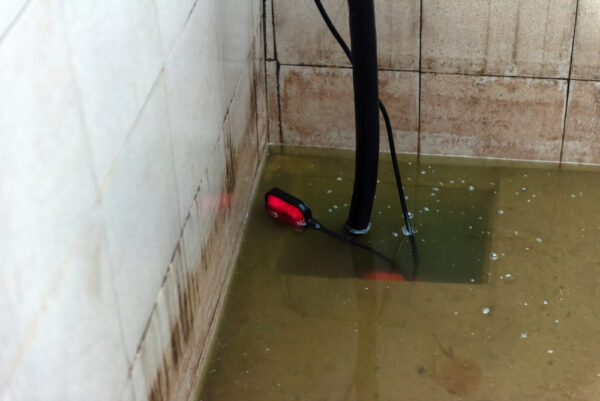
Float switches often fail due to debris buildup, corrosion, or mechanical obstruction within the sump basin. You might have power and a functioning pump motor, but if the float switch doesn’t trigger the pump to activate, water will still flood your basement.
Clogged or frozen discharge lines
The discharge line carries water away from your home. When temperatures drop, water remaining in the line can freeze, creating an ice plug that blocks the entire system. Even if your pump runs perfectly, the water has nowhere to go and backs up into your basement.
Pump burnout
Many homeowners don’t test their sump pumps regularly, which means the first time it runs might be during a spring thaw flooding emergency. Pumps that haven’t operated in months may have seized up, corroded, or simply reached the end of their lifespan. Get the winter sump pump prep Denver experts recommend to prevent basement flooding.
Battery backup issues
Batteries lose charge over time, especially in cold conditions. Connections can corrode, and backup pumps can fail if they haven’t been tested. Discovering a dead battery, especially during or after storms, can lead to thousands of dollars in water damage.
Essential Sump Pump Maintenance Steps
Taking proactive steps with your sump pump maintenance protects your home and saves money. These sump pump inspection tips can help you identify problems before they become emergencies.
Clean the pump and pit
Unplug your sump pump and remove it from the pit. Clear out any debris, dirt, or sediment that has accumulated before rinsing the pump with clean water. Use a wet/dry vacuum to remove standing water and debris from the pit itself.
Check the float switch and discharge line
Test the float switch by lifting it manually, ensuring it moves freely and triggers the pump reliably. Hesitation or sticking are possible signs your sump pump needs repair. Follow your discharge line from the pump to where it exits your home, looking for cracks, loose connections, or signs of freezing.
Test the pump using a bucket of water
Plug the pump back in and slowly pour several gallons of water into the pit. Watch to see if the float rises smoothly and triggers the sump pump to activate. The pump should turn on quickly, move water effectively, and shut off automatically when water levels drop.
Inspect the power source and backup battery
Examine the power cord for any damage or wear. If you have a battery backup, test it by unplugging the primary pump and ensuring the backup activates. Check the battery charge level and look for any corrosion on the terminals.
Backup batteries should be replaced every three to five years, depending on the manufacturer’s recommendations. This is something Denver sump pump repair technicians can identify during routine inspections.
Schedule a professional sump pump inspection or service
DIY maintenance can help, but professional sump pump technicians can identify issues you might miss. We have specialized tools to test pump capacity, measure discharge rates, and evaluate whether your system is appropriately sized for your home.
Why Professional Maintenance Is Worth It
Investing in professional sump pump maintenance is still necessary, even when your pump appears to be working properly. A trained technician can spot subtle warning signs that homeowners typically overlook, like small vibrations that indicate bearing wear, slight decreases in pumping efficiency, or minor electrical issues that could lead to complete failure.
Professional service ensures your pump operates at peak performance precisely when Denver’s snowmelt creates the highest demand. A professional sump pump check-up offers cost-effective snowmelt water damage prevention and peace of mind during unpredictable spring weather
Local Considerations for Denver Homeowners
Denver neighborhoods with expansive clay soils experience particularly poor drainage. Water can sit on the surface longer and put increased pressure on basement walls and sump pump systems. If you live in an older Denver community with mature trees, root intrusion into drainage systems adds another complication.
Heavy snow accumulation on roofs followed by quick thaws can overwhelm gutters and downspouts, dumping massive amounts of water around your foundation in a short time. This is especially true when the ground is still frozen, leaving the water with nowhere to go.
Some Colorado homeowners’ insurance providers may offer discounts or endorsements for flood mitigation systems, though this isn’t typically a requirement. Our professional plumbing services can help you make informed decisions about flood protection strategies based on your home’s assessed risk factors.
Protect Your Home Before the Snowmelt Hits
Spring flooding happens suddenly when warm weather melts accumulated snow faster than your drainage systems can handle. Waiting until you hear your sump pump struggling or see water seeping into your basement is waiting too long. The damage will already be underway, and emergency plumbing repairs during a flooding crisis cost significantly more than preventive maintenance.
With an A+ rating from the Better Business Bureau, Squeak’s Plumbing, Heating & Air has helped countless Denver-area homeowners protect their properties from snowmelt flooding. Our licensed technicians provide thorough inspections, professional maintenance, and prompt repairs that give you confidence going into spring.
Don’t gamble with your home’s safety and your family’s peace of mind. Contact us today to schedule your sump pump maintenance appointment. Whether you need routine service or suspect your system needs attention, our team is ready to help.