
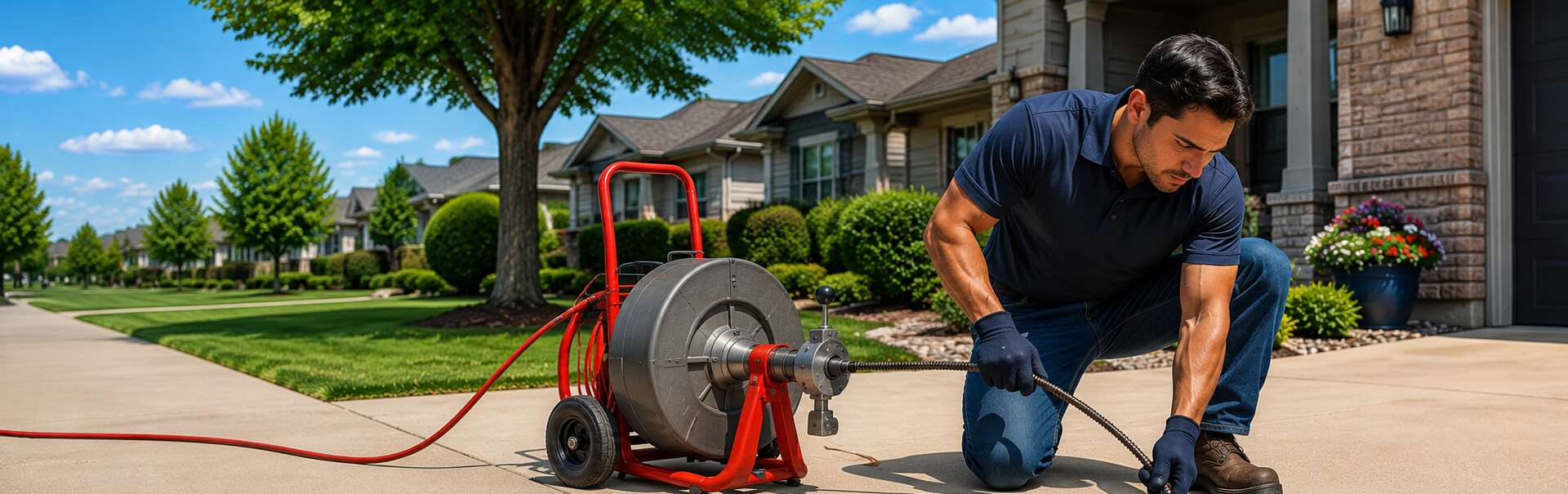
Drain cleaning in Denver may be necessary when sinks empty slowly, drains produce unpleasant odors, toilets gurgle, or clogs keep returning after temporary fixes. Professional cleaning removes the material restricting your plumbing and can help prevent messy backups, pipe damage, and avoidable plumbing emergencies.
A slow drain may not seem urgent at first. You might tolerate standing water in the shower or wait an extra minute for the kitchen sink to empty. Unfortunately, drainage problems usually get worse as grease, hair, soap residue, food particles, and other debris continue accumulating inside the pipe.
Recurring or worsening drain problems should not be ignored. Knowing what to watch for can help you schedule service before a partial obstruction becomes a complete blockage.
Common Signs Your Denver Home Needs Drain Cleaning
One slow fixture can sometimes point to a localized clog. When several fixtures are affected, the obstruction may be deeper in a branch drain or the main sewer line.
Consider arranging professional drain cleaning in Denver if you notice any of the following problems:
- Water drains slowly: Water remains in a sink, shower, or bathtub longer than it used to.
- Clogs keep returning: A plunger or drain snake provides relief, but the same fixture backs up again.
- Multiple fixtures are affected: Several sinks, tubs, or toilets begin draining poorly at about the same time.
- Drains make unusual sounds: Gurgling, bubbling, or sucking noises can indicate restricted airflow within the drainage system.
- Unpleasant odors enter the home: Grease, food waste, or other organic material may be decomposing inside a drain.
- Water backs up elsewhere: Using one fixture causes water to appear in another sink, tub, shower, or floor drain.
A sewage backup, overflowing floor drain, or widespread loss of drainage requires prompt attention. Stop using water whenever possible and contact a plumber before the backup spreads.
Why Household Drains Become Clogged
Most clogs develop gradually. Materials cling to the inside of the pipe, narrowing the opening until water can no longer move through it normally.
Kitchen and bathroom drains tend to collect different types of debris:
- Kitchen drains: Cooking grease, fats, oils, food scraps, starches, coffee grounds, and soap residue
- Bathroom drains: Hair, shaving cream, toothpaste, soap scum, cosmetics, and hygiene products
- Laundry drains: Lint, detergent residue, fabric fibers, dirt, and debris from clothing
- Main sewer lines: Mineral deposits, scale, accumulated waste, intrusive roots, or damaged sections of pipe
Denver homes can have plumbing systems of very different ages and materials. Older drain lines may have rough, corroded interiors that catch debris more easily. Newer pipes can also clog when unsuitable materials are washed or flushed into the system.
Even products labeled “flushable” can contribute to a blockage. Toilet paper and human waste are generally the only disposable materials that should be flushed.
Is One Slow Drain Really a Problem?
A single slow drain is often an early warning. The fixture may continue working for a while, but the opening available for water is already becoming restricted.
You may have a local clog if:
- Only one sink, shower, or bathtub drains slowly
- The problem began after that fixture was heavily used
- Other fixtures in the home continue draining normally
- There are no sewage odors or backups in lower drains
The problem could be farther down the drainage system if:
- Several fixtures have become slow at once
- A toilet bubbles when a nearby sink is used
- Water rises in the bathtub when the washing machine drains
- A basement or lower-level floor drain begins backing up
These symptoms help a plumber determine where to begin the inspection. The behavior of the fixtures often provides useful clues about the location and severity of the obstruction.
Why DIY Drain-Clearing Methods May Not Last
A plunger can be helpful for a small, accessible clog. A basic hand snake may also open a narrow passage through soft debris. These methods do not always remove the buildup coating the pipe walls, which is why the drain may slow down again.
Homeowners should be especially cautious with chemical drain cleaners. Depending on the product, pipe material, and condition of the plumbing, harsh chemicals can create safety concerns or place additional stress on the drain line.
Professional drain cleaning offers a more complete approach. A plumber can evaluate the symptoms, select equipment suited to the pipe, and determine whether the clog is hiding a larger problem.
A professional visit may include:
- Checking which fixtures are affected
- Locating accessible cleanouts
- Clearing the immediate obstruction
- Testing drainage after the line is opened
- Recommending further inspection when damage is suspected
- Explaining how to reduce future buildup
If the same drain repeatedly clogs, the goal should be to identify and address the cause instead of repeatedly opening a small path through the blockage.
When Is Hydro Jetting a Good Option?
Some drain lines contain thick grease, sludge, mineral scale, or widespread residue that a conventional cable may not remove completely. In these situations, professional hydro jetting in Denver may provide a more thorough cleaning.
Hydro jetting uses pressurized water and specialized equipment to break apart obstructions and wash buildup from the interior walls of a drain or sewer line. The process can restore a wider passage for wastewater and reduce the material left behind for new debris to collect on.
It may be considered when:
- Grease or sludge repeatedly restricts a line
- Several conventional clearing attempts have provided only temporary relief
- A drain serves a high-use kitchen or other heavily used area
- Broad buildup is present along a substantial section of pipe
- Maintenance cleaning is appropriate for a frequently used drainage system
- The plumber determines that the line can safely handle the process
Hydro jetting is not automatically appropriate for every pipe. Older, weakened, separated, or severely damaged lines may require inspection before high-pressure cleaning is recommended.
What Happens During Professional Drain Cleaning?
The plumber will usually begin by asking when the problem started, which fixtures are affected, and whether it has happened before. Sharing specific details can make diagnosis faster and more accurate.
The technician may then inspect the fixture, trap, branch drain, or accessible sewer cleanout. The equipment used will depend on the suspected location and type of obstruction.
A typical service may involve:
- Protecting the work area around the affected fixture
- Evaluating the visible plumbing and drainage symptoms
- Accessing the line through a fixture or cleanout
- Removing or flushing the obstructing material
- Running water to confirm that normal flow has returned
- Discussing any signs that further investigation is needed
If the plumber suspects roots, a broken line, severe corrosion, or a shifted pipe connection, drain cleaning alone may not solve the underlying issue. Further diagnostic work can show whether the pipe needs repair.
How to Reduce the Risk of Future Clogs
No plumbing system can be guaranteed never to clog, but everyday habits make a meaningful difference. Most preventable blockages begin with materials that should have gone into the trash instead of the drain.
Homeowners can help protect their drains by following these practices:
- Wipe grease and oil from cookware before washing it
- Collect cooled cooking grease in a disposable container
- Use strainers in kitchen sinks, bathtubs, and showers
- Remove captured hair and food scraps regularly
- Keep wipes, paper towels, and hygiene products out of toilets
- Schedule service when a drain first becomes noticeably slower
Avoid assuming that hot water will safely carry grease through the plumbing. Melted grease cools as it moves through the line and can solidify farther away, where it becomes more difficult to reach.
Good drain habits prevent buildup more effectively than pouring products into an already restricted pipe.
How Often Should Denver Homeowners Schedule Drain Cleaning?
There is no single schedule that fits every home. A household with older plumbing, frequent cooking, or a history of sewer problems may need service more often than a newer home with no recurring drainage issues.
It may be time to have your drains evaluated when:
- A fixture begins draining more slowly than normal
- A familiar odor keeps returning from the same drain
- Several clogs have occurred within a short period
- You recently moved into a home with an unknown plumbing history
- Your main line has previously collected roots or heavy buildup
- You want to address warning signs before hosting guests or completing renovations
Preventive cleaning may be useful for certain households, but it should be based on the condition and history of the plumbing. A professional can recommend an appropriate interval after evaluating the system.
Schedule Drain Cleaning With Squeak’s Services
Slow drains and recurring clogs are easier to manage before they become complete backups. Squeak’s Services can assess the problem, explain the available options, and provide the appropriate cleaning method for your drainage system.
Do not wait for wastewater to overflow into your Denver home. Call Squeak’s Services at (303) 280-5765 or schedule drain cleaning service online. You can also visit the Squeak’s Services Google Maps profile for location and business information.