
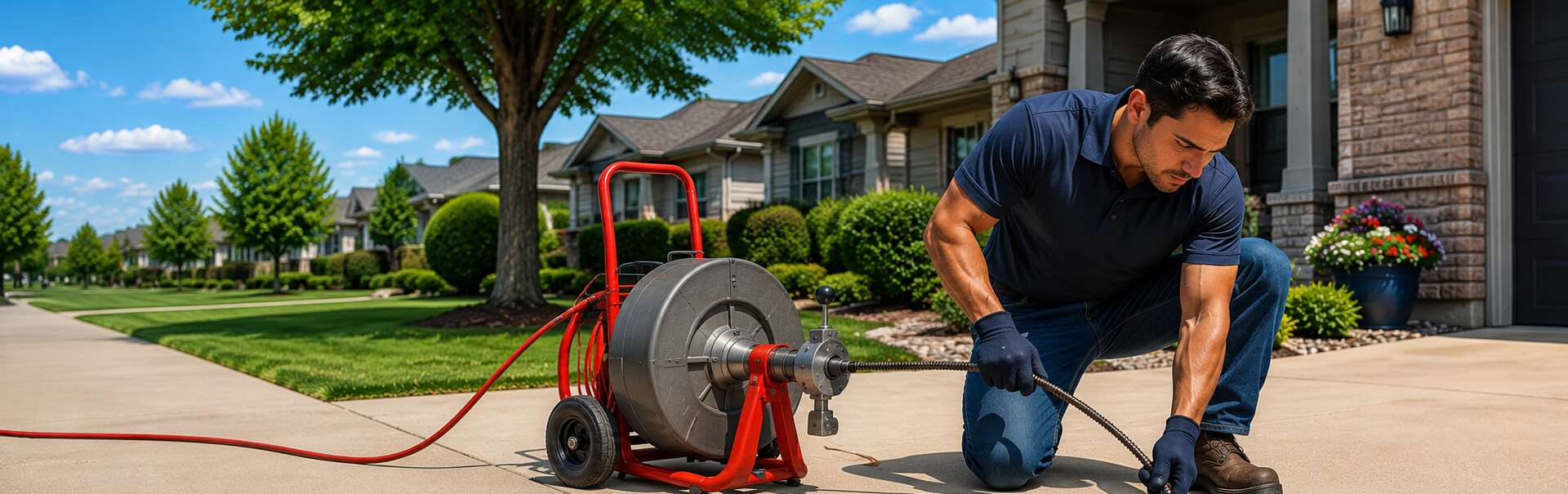
Denver drain clogs often return when grease, hair, soap residue, mineral deposits, roots, or damaged pipes remain inside the plumbing system after the immediate blockage is opened. Finding and addressing the underlying cause can restore reliable drainage and help prevent another backup.
You cleared the drain last month, yet the water is already moving slowly again. Maybe the plunger worked temporarily, or a store-bought product seemed to open the pipe. When a clog keeps returning, however, the problem is usually more complicated than a single object caught near the drain opening.
A recurring clog is often a symptom of buildup, pipe damage, or a problem farther down the drain line. Understanding the likely cause can help you decide whether a simple household fix is reasonable or professional service is needed.
Why Does the Same Drain Keep Clogging?
A plunger or basic drain snake may create a narrow opening through a blockage without removing everything stuck to the pipe walls. Water begins moving again, but grease, hair, soap residue, and other materials remain behind. New debris collects on that material, and the drain slows down again.
Recurring clogs can also indicate that the blockage is deeper than expected. If several fixtures are affected, the trouble may be in a branch drain or the main sewer line instead of directly beneath one sink or shower.
Common warning signs include:
- The same fixture clogs repeatedly
- More than one drain is slow
- Drains make bubbling or gurgling sounds
- Unpleasant odors come from sinks or floor drains
- Water rises in another fixture when a toilet flushes
- Wastewater backs up through a low drain
The location and pattern of the symptoms provide important clues. A single slow bathroom sink usually points to a local clog. Several slow fixtures may indicate a larger drainage problem.
Common Causes of Recurring Drain Clogs in Denver
Grease and Food Residue in Kitchen Drains
Cooking grease may enter the drain as a liquid, but it cools and sticks to the inside of the pipe. Oils, sauces, food particles, and detergent residue then attach to that coating. Over time, the opening inside the drain becomes smaller.
Garbage disposals do not eliminate this risk. They grind food into smaller pieces, but those particles still enter the drain line. Coffee grounds, rice, pasta, eggshells, and fibrous vegetable scraps can contribute to stubborn kitchen clogs.
To reduce buildup:
- Place grease and cooking oil in a sealed container for disposal
- Scrape food scraps into the trash before washing dishes
- Use a sink strainer to catch larger particles
- Run water as directed when using the garbage disposal
Hair and Soap Residue in Bathroom Drains
Hair is one of the most common causes of recurring shower, bathtub, and bathroom sink clogs. It tangles inside the drain and catches soap residue, toothpaste, shaving products, and other debris.
Soap products can make the problem worse when they combine with minerals and body oils. Removing a small clump near the drain opening may improve flow without clearing the material deeper in the pipe.
A removable drain screen can catch much of the hair before it enters the plumbing. Clean the screen regularly so water can continue flowing through it.
Mineral Deposits and Scale
Minerals in the water can gradually leave deposits inside certain drain and sewer pipes. This scale creates a rough interior surface that catches grease, hair, and debris more easily. As the buildup increases, the usable diameter of the pipe decreases.
Mineral scale may not create the entire clog by itself, but it can make repeated blockages more likely. An ordinary drain snake may break through soft debris without removing hardened material from the pipe walls.
Tree Roots in Sewer Lines
Mature trees add shade and character to Denver neighborhoods, but their roots naturally seek moisture. A small crack, loose joint, or damaged section of sewer pipe can allow roots to enter the line.
Once inside, roots may trap paper and waste until the sewer line becomes restricted. Cutting a temporary opening through the roots can restore flow, but the problem may return if the roots and pipe defect are not properly addressed.
Possible signs of sewer-line root intrusion include:
- Repeated clogs affecting fixtures throughout the house
- Toilets that flush slowly or inconsistently
- Gurgling sounds from tubs, showers, or floor drains
- Backups that become more frequent over time
Aging, Damaged, or Misaligned Pipes
Older plumbing can develop corrosion, cracks, rough interior surfaces, or separated joints. Soil movement may also cause part of a sewer line to shift or settle. A low section, sometimes called a belly, can retain water and waste instead of allowing everything to flow away.
Drain cleaning may remove the current obstruction, but it cannot straighten a sagging pipe or repair a broken joint. When clogs return despite repeated cleaning, an inspection may be needed to determine whether the pipe itself is contributing to the problem.
Objects and Products That Should Not Be Flushed
Toilet paper is designed to break down in water. Many other products are not, even when their packaging suggests they can be flushed. Wipes, paper towels, hygiene products, cotton swabs, and similar materials can remain intact long enough to catch inside a pipe.
Keep these items out of toilets and drains:
- Cleaning wipes and personal wipes
- Paper towels and facial tissues
- Feminine hygiene products and applicators
- Cotton swabs, dental floss, and diapers
- Cat litter and household trash
- Paint, plaster, and construction debris
Why Chemical Drain Cleaners May Not Solve the Problem
Chemical drain products may dissolve part of a soft blockage, but they do not identify why the clog developed. They may also leave grease, scale, roots, or other material along the walls of the pipe.
Repeated chemical use can expose some plumbing materials and fixture finishes to harsh substances. There is also a safety concern if standing water containing drain cleaner must later be handled by a homeowner or plumbing technician.
If a drain repeatedly slows down after chemical treatment, adding more product is unlikely to correct the underlying cause. A professional evaluation can determine where the restriction is located and which cleaning method fits the condition of the pipe.
When Professional Drain Cleaning Makes Sense
A shallow clog caused by visible hair or a small amount of debris may respond to a plunger or basic hand tool. Professional help becomes more appropriate when the blockage returns, affects several fixtures, or causes wastewater to back up.
Squeak’s offers professional drain cleaning services in Denver to locate and clear blockages throughout household drainage systems. The goal is not simply to make water move for the moment. A proper diagnosis helps determine why the problem developed and whether another issue needs attention.
Consider scheduling service when:
- A clog returns shortly after being cleared
- Several drains slow down at the same time
- A plunger no longer improves drainage
- Sewage or wastewater enters a tub, shower, or floor drain
- Strong drain odors persist after cleaning
- You suspect roots or damage in the sewer line
Could Hydro Jetting Help Prevent Another Clog?
Traditional drain snaking is useful for breaking through many blockages. In some situations, however, a cable may open a pathway without thoroughly removing material attached to the pipe walls.
Denver hydro jetting uses controlled, high-pressure water to remove stubborn grease, sludge, soap residue, mineral deposits, and other accumulated material. Because it cleans more of the pipe’s interior surface, it may provide a more complete solution for certain recurring clogs.
Hydro jetting may be considered for:
- Kitchen lines with substantial grease accumulation
- Drains that have required repeated snaking
- Sewer lines containing heavy sludge or debris
- Commercial drains exposed to frequent food waste
Hydro jetting is not automatically appropriate for every pipe. The plumbing system should be evaluated first, especially when older, weakened, or damaged piping may be present. The equipment and water pressure must be selected according to the condition and material of the line.
How to Reduce the Risk of Future Drain Clogs
No drain system remains perfectly clean forever, but better daily habits can slow the buildup that causes many household clogs. Prevention is especially useful in busy kitchens and bathrooms where large amounts of debris enter the plumbing.
- Keep grease, oil, coffee grounds, and food scraps out of kitchen drains
- Install strainers in sinks, showers, and tubs
- Remove captured hair and debris before it enters the drain
- Flush only toilet paper and human waste
- Pay attention when a drain begins moving more slowly
- Have repeat problems evaluated before a complete backup occurs
It is also important to treat slow drainage as a warning rather than a minor inconvenience. Early service can be simpler than dealing with an overflowing fixture or a main sewer backup.
Get Help With a Recurring Denver Drain Clog
If the same drain keeps clogging, Squeak’s Plumbing, Heating & Air can help identify the cause and recommend an appropriate solution. Whether your system needs conventional drain cleaning, hydro jetting, or further inspection, addressing the source can provide more dependable results than repeatedly treating the symptom.
Call (303) 280-5765 or schedule plumbing service online. You can also visit the Squeak’s Plumbing, Heating & Air Google Maps profile for location information and customer reviews.