
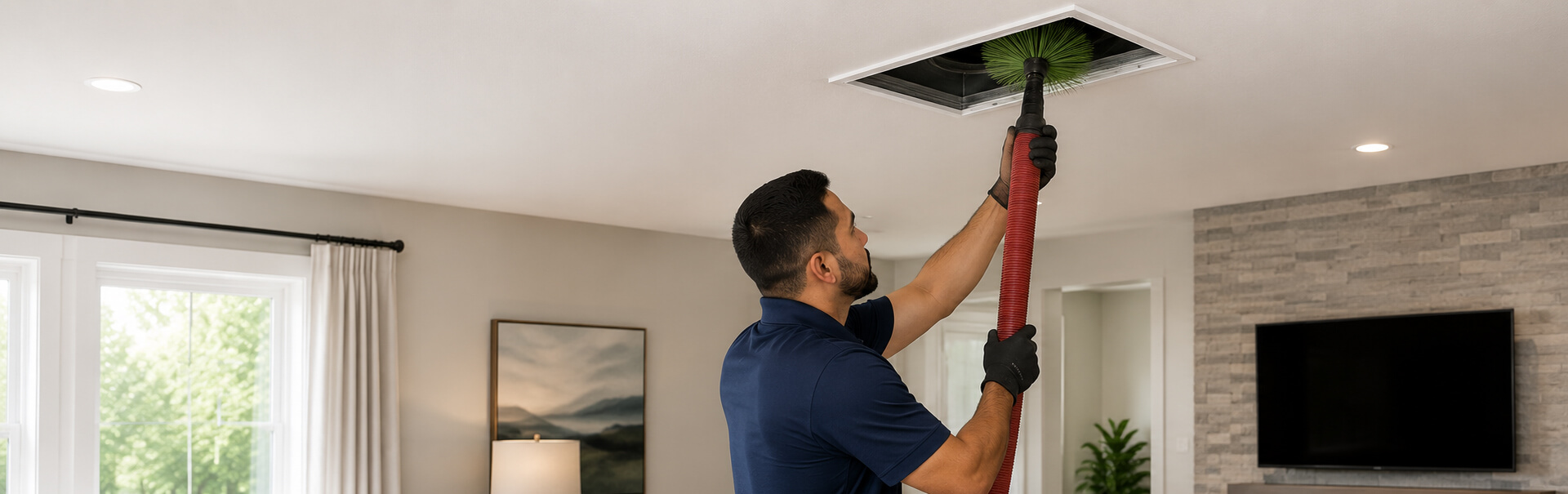
Denver indoor air quality services help homeowners identify airborne pollutants, reduce dust, balance humidity, and create a healthier, more comfortable home. Squeak’s Plumbing, Heating & Air offers professional testing and practical solutions tailored to your household’s specific concerns.
The air inside your home affects how comfortable you feel every day. Dust, pet dander, pollen, excess moisture, low humidity, odors, and combustion gases can all contribute to indoor air quality problems.
These concerns are not always visible. You may first notice recurring allergy symptoms, excessive dust, dry skin, stale odors, or rooms that never feel as comfortable as the rest of the house. Squeak’s provides comprehensive indoor air quality services in Denver to help homeowners understand what is happening and choose an appropriate solution.
Why Denver Homes Develop Indoor Air Quality Problems
Denver’s climate creates some distinct indoor comfort challenges. Dry outdoor air can leave a heated home uncomfortably dry during winter, while tightly closed windows can allow pollutants to accumulate indoors.
Outdoor dust, pollen, wildfire smoke, and traffic-related particles may also enter through doors, windows, ventilation openings, and small gaps in the building. Once inside, these particles can circulate through the HVAC system.
Common sources of indoor air quality problems include:
- Dust, pollen, pet hair, and pet dander
- Cooking fumes, smoke, and persistent household odors
- Cleaning products, paints, adhesives, and other materials that release volatile organic compounds
- Humidity levels that are too high or too low
- Dirty ductwork or neglected HVAC filters
- Fuel-burning equipment that is not venting correctly
Indoor air quality problems rarely have one universal solution. A home with excessive dust may need a different approach than a home with dry air, musty odors, or a potential carbon monoxide concern.
Signs Your Indoor Air May Need Attention
You do not need to see a cloud of dust to have an indoor air quality problem. Many pollutants are too small to see, while gases such as carbon monoxide have no color or odor.
Consider scheduling an indoor air quality evaluation if you notice:
- Dust returning quickly after surfaces are cleaned
- Stale, musty, smoky, or chemical odors
- Dry skin, irritated eyes, static electricity, or cracked wood
- Condensation on windows or damp-feeling rooms
- Allergy symptoms that become worse while you are at home
- Uneven airflow or visible debris around supply registers
Some of these symptoms can have causes unrelated to indoor air quality. Professional evaluation helps separate assumptions from measurable conditions so you can avoid purchasing equipment your home does not need.
Start With Professional Indoor Air Quality Testing
When the source of a problem is unclear, testing is a sensible starting point. Professional indoor air quality testing can help identify pollutants or environmental conditions that may be affecting your home.
An indoor air quality assessment may examine:
- Airborne particles and common household contaminants
- Humidity levels in different areas of the home
- Ventilation and air circulation concerns
- Conditions that may support unwanted biological growth
- Possible sources of odors or irritation
- The performance of existing filtration equipment
Testing helps replace guesswork with useful information. Once the likely sources are understood, a technician can explain which improvements may provide meaningful results and which changes are unlikely to help.
Air Duct Cleaning for Dust and Debris Buildup
Your duct system carries conditioned air throughout the home. Over time, dust and debris may collect inside accessible portions of the system, especially after remodeling work, pest activity, water intrusion, or years of operation without inspection.
Professional air duct cleaning in Denver can remove accumulated material when the condition of the ductwork justifies the service. It may also help reduce the amount of loose debris that enters occupied rooms through supply vents.
Homeowners commonly ask about duct cleaning when they notice:
- Visible debris coming from air registers
- Unusual odors when the HVAC system starts
- Heavy dust following construction or renovation
- Evidence that pests entered the duct system
- Contamination related to a moisture problem
- Ductwork that has not been inspected for many years
Duct cleaning is not a substitute for correcting leaks, moisture problems, poor filtration, or damaged ductwork. The best results come from identifying why the buildup occurred and addressing that underlying cause.
Carbon Monoxide Detection Protects Your Household
Carbon monoxide is produced when fuels do not burn completely. Furnaces, boilers, fireplaces, water heaters, ranges, and other fuel-burning equipment can become potential sources if equipment is damaged, improperly vented, or operating incorrectly.
Because the gas cannot be seen or smelled, working detectors are essential. Squeak’s offers professional carbon monoxide detection solutions to help Denver homeowners strengthen this important layer of protection.
Homeowners should take carbon monoxide safety seriously by:
- Maintaining carbon monoxide alarms on every occupied level
- Following the detector manufacturer’s placement instructions
- Testing alarms and replacing batteries as directed
- Replacing detectors when they reach the end of their service life
- Keeping combustion appliances professionally maintained
- Responding immediately whenever an alarm sounds
If a carbon monoxide alarm activates, leave the building and seek emergency assistance from a safe location. Do not remain inside while trying to locate the source yourself.
Whole-House Humidifiers for Denver’s Dry Air
Denver homes can become especially dry during the heating season. Warm indoor air combined with naturally dry conditions may contribute to irritated sinuses, dry skin, static shocks, and damage to wood furnishings.
A professionally installed whole-house humidifier adds controlled moisture through the HVAC system. Unlike a portable unit that treats one room, a whole-home system can provide more consistent humidity across multiple living areas.
Potential benefits of properly controlled humidity include:
- Greater comfort during dry winter weather
- Less static electricity inside the home
- Relief from excessively dry air
- Added protection for wood floors, furniture, and trim
- Centralized control instead of multiple portable units
- More consistent moisture levels throughout the house
More humidity is not always better. Excess moisture can encourage condensation and other problems, so the system must be sized, installed, and adjusted for the home.
Whole-House Dehumidifiers for Excess Moisture
Although Denver is known for a dry climate, excess indoor moisture can still occur. Basements, tightly sealed homes, plumbing leaks, cooling issues, and poor ventilation may create isolated humidity problems.
A whole-house dehumidifier removes moisture from the air through a centralized system. This can provide broader control than a portable appliance that only serves a small area.
Possible signs of excess indoor humidity include:
- Condensation forming on windows or cool surfaces
- Musty odors in basements or lower levels
- Rooms that feel damp or clammy
- Moisture collecting in poorly ventilated spaces
- Visible damage to paint, drywall, or wood
- Cooling equipment struggling to maintain comfort
Moisture control should include finding the source of the excess humidity. A dehumidifier can manage moisture in the air, but roof leaks, plumbing leaks, drainage problems, and ventilation defects may require separate repairs.
Choosing the Right Indoor Air Quality Solution
It is easy to assume that one purifier, filter, or humidity product will solve every air quality concern. In practice, effective improvements depend on the pollutant, its source, and how air moves through the house.
A thoughtful indoor air quality plan may include:
- Testing to identify specific concerns
- Improved filtration for airborne particles
- Duct inspection or cleaning when buildup is present
- Humidity equipment for moisture control
- Carbon monoxide detectors for household safety
- HVAC maintenance to support reliable airflow
Squeak’s can inspect your existing setup, listen to your concerns, and explain the available options. The goal is to recommend equipment and services that address real conditions in your home.
Simple Ways to Support Cleaner Indoor Air
Professional services can address larger problems, but regular home maintenance also matters. A few consistent habits can reduce pollutant sources and support better HVAC performance.
- Replace HVAC filters according to system needs and filter instructions
- Use kitchen and bathroom exhaust fans when producing moisture or fumes
- Vacuum and dust regularly, especially in homes with pets
- Keep supply and return vents open and unobstructed
- Address water leaks and damp materials promptly
- Schedule HVAC maintenance before small issues become larger problems
A technician can help you determine an appropriate filter type and replacement schedule. Installing a filter that is too restrictive for the system may reduce airflow, so higher filtration ratings are not automatically the best choice for every home.
Schedule Denver Indoor Air Quality Service With Squeak’s
If your home feels dusty, overly dry, damp, stale, or uncomfortable, you do not have to keep guessing about the cause. Squeak’s Plumbing, Heating & Air provides testing, duct cleaning, humidity control, carbon monoxide detection, and other indoor air quality solutions for Denver-area homeowners.
Call (303) 280-5765 to discuss your indoor air quality concerns. You can also schedule service online or learn more about Squeak’s Plumbing, Heating & Air through the company’s Google Maps profile.